Our Inspection Process

Fast turnaround, clear reporting, and professional communication. Book an inspection your clients will thank you for.

What to Expect During Your Inspection

At Emerald Property Inspections, our process is designed to be thorough, efficient, and transparent—giving you a clear understanding of the property and confidence in your purchase.


For the vast majority of inspections (apartment-style condos and select properties aside), two and sometimes 3 qualified inspectors are on site depending on schedule and details of the home like larger square footage. This team-based approach allows us to complete a comprehensive inspection without rushing or cutting corners.


As part of our normal inspection process, exterior and roof inspections are usually completed prior to the arrival of the client and/or realtor. This allows for a thorough assessment of siding, grading, drainage, roofing materials, flashings, and roof penetrations.
Book an Inspection
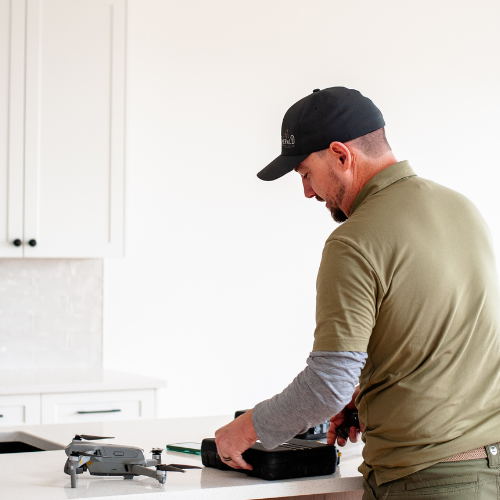
Man in cap and green shirt working on equipment on a white counter.

Established Routines, Consistent Results

Each inspector follows a well-established routine with clearly assigned responsibilities, ensuring nothing is missed. During the interior inspection we:

Test all windows and doors


Test appliances (outside the scope of a home inspection, but operated on basic functions—not all cycles)


Test electrical outlets and switches


Open and inspect the electrical panel


Inspect the attic for roof structure, insulation levels, ventilation, and visible issues


Check walls and ceilings using thermal imaging to identify:

  • Missing or damaged insulation
  • Hot and cold spots
  • Electrical overheating
  • Moisture intrusion from exterior sources
  • Interior plumbing leaks

Inspect the furnace and water heater using carbon monoxide and combustible gas detectors

  • Inspect the furnace and water heater using calibrated carbon monoxide (CO) and combustible gas detectors
  • Visually inspect accessible portions of the heat exchanger for signs of damage, corrosion, or deterioration
  • Use a carbon monoxide detector to further evaluate for indications of a cracked, compromised, or obstructed heat exchanger
  • Use a combustible gas detector on all accessible gas lines, fittings, valves, and appliance connections to check for gas leaks
  • Verify proper operation of visible safety controls and system response
  • Check all heat registers for airflow to confirm proper air distribution and ensure all rooms are receiving adequate heating and cooling

Inspections are non-invasive and limited to readily accessible components at the time of inspection.


Evaluate plumbing throughout the home, checking for leaks and confirming water pressure by running multiple fixtures simultaneously


Assess structural components, with thermal imaging and moisture meters used where appropriate

  • Inspect visible and accessible structural components, including foundations, framing, floor systems, walls, beams, columns, and roof structure
  • Assess foundations and framing for cracking, movement, settlement, moisture intrusion, or signs of distress
  • Check floors and structural members for deflection, sagging, or structural fatigue
  • Use advanced inspection technology, including:
  • Thermal imaging to identify temperature anomalies associated with moisture intrusion, air leakage, or concealed structural concerns
  • Moisture meters to further evaluate areas of concern
  • Document findings using high-resolution photography and clear reporting

Structural inspections are visual and non-invasive and are limited to readily accessible components at the time of inspection. Concealed or obstructed elements and engineering analysis are outside the scope of a home inspection.


Test all windows and doors


Test appliances (outside the scope of a home inspection, but operated on basic functions—not all cycles)


Test electrical outlets and switches


Open and inspect the electrical panel


Inspect the attic for roof structure, insulation levels, ventilation, and visible issues


Check walls and ceilings using thermal imaging to identify:

  • Missing or damaged insulation
  • Hot and cold spots
  • Electrical overheating
  • Moisture intrusion from exterior sources
  • Interior plumbing leaks

Inspect the furnace and water heater using carbon monoxide and combustible gas detectors

  • Inspect the furnace and water heater using calibrated carbon monoxide (CO) and combustible gas detectors
  • Visually inspect accessible portions of the heat exchanger for signs of damage, corrosion, or deterioration
  • Use a carbon monoxide detector to further evaluate for indications of a cracked, compromised, or obstructed heat exchanger
  • Use a combustible gas detector on all accessible gas lines, fittings, valves, and appliance connections to check for gas leaks
  • Verify proper operation of visible safety controls and system response
  • Check all heat registers for airflow to confirm proper air distribution and ensure all rooms are receiving adequate heating and cooling

Inspections are non-invasive and limited to readily accessible components at the time of inspection.


Evaluate plumbing throughout the home, checking for leaks and confirming water pressure by running multiple fixtures simultaneously


Assess structural components, with thermal imaging and moisture meters used where appropriate

  • Inspect visible and accessible structural components, including foundations, framing, floor systems, walls, beams, columns, and roof structure
  • Assess foundations and framing for cracking, movement, settlement, moisture intrusion, or signs of distress
  • Check floors and structural members for deflection, sagging, or structural fatigue
  • Use advanced inspection technology, including:
  • Thermal imaging to identify temperature anomalies associated with moisture intrusion, air leakage, or concealed structural concerns
  • Moisture meters to further evaluate areas of concern
  • Document findings using high-resolution photography and clear reporting

Structural inspections are visual and non-invasive and are limited to readily accessible components at the time of inspection. Concealed or obstructed elements and engineering analysis are outside the scope of a home inspection.


Test all windows and doors


Test appliances (outside the scope of a home inspection, but operated on basic functions—not all cycles)


Test electrical outlets and switches


Open and inspect the electrical panel


Inspect the attic for roof structure, insulation levels, ventilation, and visible issues


Check walls and ceilings using thermal imaging to identify:

  • Missing or damaged insulation
  • Hot and cold spots
  • Electrical overheating
  • Moisture intrusion from exterior sources
  • Interior plumbing leaks

Inspect the furnace and water heater using carbon monoxide and combustible gas detectors

  • Inspect the furnace and water heater using calibrated carbon monoxide (CO) and combustible gas detectors
  • Visually inspect accessible portions of the heat exchanger for signs of damage, corrosion, or deterioration
  • Use a carbon monoxide detector to further evaluate for indications of a cracked, compromised, or obstructed heat exchanger
  • Use a combustible gas detector on all accessible gas lines, fittings, valves, and appliance connections to check for gas leaks
  • Verify proper operation of visible safety controls and system response
  • Check all heat registers for airflow to confirm proper air distribution and ensure all rooms are receiving adequate heating and cooling

Inspections are non-invasive and limited to readily accessible components at the time of inspection.


Evaluate plumbing throughout the home, checking for leaks and confirming water pressure by running multiple fixtures simultaneously


Assess structural components, with thermal imaging and moisture meters used where appropriate

  • Inspect visible and accessible structural components, including foundations, framing, floor systems, walls, beams, columns, and roof structure
  • Assess foundations and framing for cracking, movement, settlement, moisture intrusion, or signs of distress
  • Check floors and structural members for deflection, sagging, or structural fatigue
  • Use advanced inspection technology, including:
  • Thermal imaging to identify temperature anomalies associated with moisture intrusion, air leakage, or concealed structural concerns
  • Moisture meters to further evaluate areas of concern
  • Document findings using high-resolution photography and clear reporting

Structural inspections are visual and non-invasive and are limited to readily accessible components at the time of inspection. Concealed or obstructed elements and engineering analysis are outside the scope of a home inspection.


Following the inspection, a detailed digital report is delivered with a short turnaround time.


Before we leave the property, we provide a verbal summary of our findings. If the client wishes, we’re happy to walk through the home together, pointing out key deficiencies and answering any questions on the spot.


And our service doesn’t end there, we’re always available by phone, text, or email after the inspection to discuss the report or address any follow-up questions.
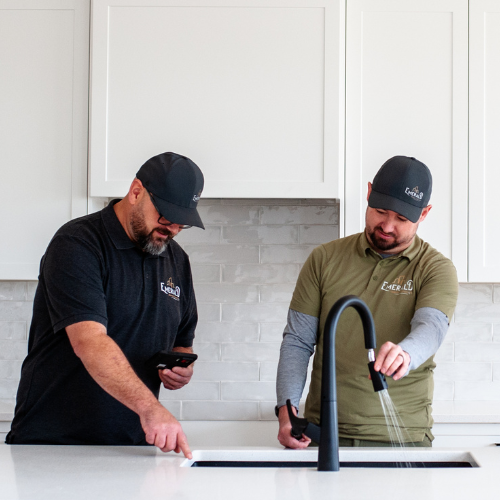
Dennis and Ryan examine a black faucet in a white kitchen sink.

Book Your Inspection with Confidence

Don’t leave one of your biggest investments to chance. Book a professional, team-based inspection and get the clarity you deserve.
Book an Inspection